The Rise of Storytelling Podcasts: A New Era

Updated: Feb 3
Storytelling podcasts have tapped into a deep human desire for connection and imagination. Unlike traditional media, podcasts allow for a personal, on-demand experience that fits seamlessly into daily routines. Whether commuting, exercising, or relaxing at home, listeners can dive into rich stories that stimulate the mind and emotions.
The resurgence is partly due to the accessibility of podcast platforms and the low barrier to entry for creators. Anyone with a microphone and a story can reach a global audience. This democratization has led to a diverse range of voices and genres, from mystery and horror to historical drama and comedy.
Key Factors Driving the Popularity of Storytelling Podcasts
Several factors contribute to the growing appeal of storytelling podcasts:
Convenience: Easily accessible on smartphones and other devices.
Intimacy: The audio format creates a personal connection.
Creativity: Freedom to experiment with sound design and narrative structure.
Community: Fans often engage deeply, forming online groups and discussions.
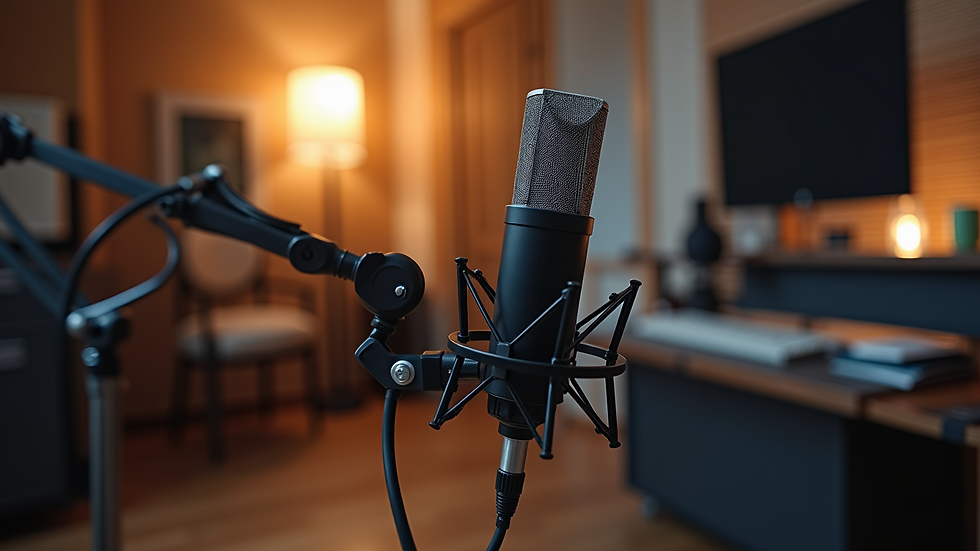
Podcast studio microphone setup ready for recording storytelling episodes
How Storytelling Podcasts Engage the Imagination Differently
Unlike visual media, storytelling podcasts rely solely on sound to paint pictures in the listener’s mind. This requires skillful use of voice acting, sound effects, and music to create atmosphere and emotion. The absence of visuals encourages listeners to become active participants, imagining characters and settings in their own unique way.
This engagement of the imagination can make stories feel more personal and impactful. For example, a suspenseful scene in a podcast might use subtle background noises and vocal inflections to build tension, allowing the listener’s mind to fill in the details. This contrasts with film or television, where visuals dictate the experience.
Practical Tips for Enhancing Imagination in Storytelling Podcasts
Creators can enhance the imaginative experience in storytelling podcasts by following these tips:
Use layered soundscapes to create immersive environments.
Employ varied vocal performances to distinguish characters.
Incorporate silence strategically to heighten suspense or emotion.
Write descriptive dialogue that hints at visual elements without over-explaining.

Sound mixing console used to create immersive audio experiences for storytelling podcasts
The Unique Appeal of Audio Drama Podcasts
Audio drama podcasts offer a theatrical experience through sound alone. They blend narrative storytelling with performance, often featuring full casts, original music, and intricate sound design. This format revives the golden age of radio drama but with modern storytelling techniques and diverse themes.
Listeners appreciate audio dramas for their ability to transport them to different worlds and times. The episodic nature encourages binge-listening and builds anticipation for new releases. Additionally, audio dramas can explore complex characters and plots in ways that are sometimes more flexible than visual media.
Creators benefit from the format’s flexibility, as production can be done remotely and with relatively low costs compared to film or television. This has led to a flourishing community of independent producers and innovative storytelling.
Practical Recommendations for Enjoying and Creating Storytelling Podcasts
For listeners looking to dive into storytelling podcasts, here are some tips to enhance the experience:
Choose genres that resonate with your interests, whether it’s mystery, sci-fi, or historical fiction.
Use quality headphones or speakers to fully appreciate sound design.
Set aside dedicated listening time to immerse yourself without distractions.
Engage with podcast communities online to share thoughts and discover new shows.
For aspiring creators interested in producing an audio drama podcast, consider the following steps:
Develop a compelling script with strong characters and clear narrative arcs.
Invest in good recording equipment to ensure clear audio quality.
Collaborate with voice actors and sound designers to bring the story to life.
Edit carefully to balance dialogue, effects, and music.
Distribute through popular podcast platforms and promote via social media.
The Future of Storytelling Podcasts and Their Cultural Impact
As technology advances, storytelling podcasts are poised to become even more immersive and interactive. Innovations like spatial audio and augmented reality could deepen listener engagement. Moreover, the global reach of podcasts allows stories from diverse cultures to find new audiences, fostering empathy and understanding.
The cultural impact of storytelling podcasts is significant. They provide a platform for underrepresented voices and experimental narratives. Educational podcasts also use storytelling techniques to make learning engaging and accessible.
Ultimately, storytelling podcasts are reshaping how we consume and create stories, blending tradition with innovation to keep the art of narrative alive in the digital age.
Exploring the World of Storytelling Podcasts
Exploring storytelling podcasts opens a world of creativity and connection. Whether you are a listener seeking new adventures or a creator ready to share your voice, this evolving medium offers endless possibilities to experience the power of story.
The phrase "audio drama podcast" encapsulates the essence of this captivating format. It invites both listeners and creators to engage with narratives in a fresh and dynamic way.


